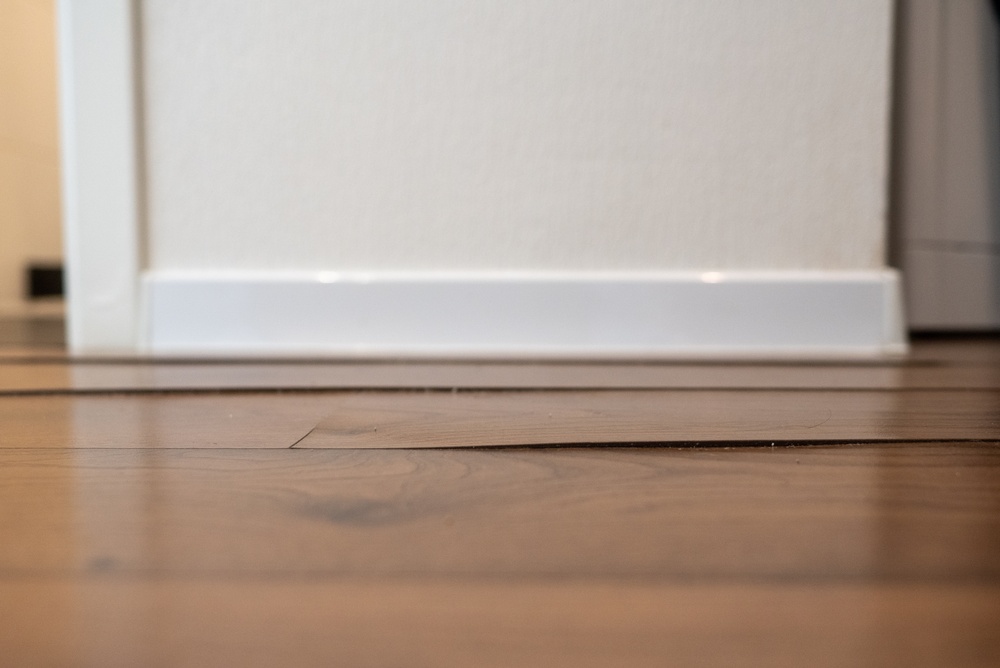
A chair that rocks, a dip near a doorway, or a floor that slopes toward one wall can make you wonder what is happening beneath your feet. Uneven floors in an older home can have several causes, from changes in the ground to damage in the wood below. The right repair depends on finding the cause first. At Continental Construction, we help homeowners plan renovations with the condition of the existing house in mind. Before covering an uneven floor with new tile or wood, it helps to learn why the surface has changed.
The Ground Beneath the House Can Shift
Parts of the New Orleans area sit on soils that can compress over time. That movement can affect the structures above them. However, a sloping floor alone does not tell you whether the ground is still moving or whether the slope has been there for years. With foundation settlement, different parts of a house may move by different amounts. This can leave one side of a room lower than another. As a construction company in New Orleans, we help homeowners identify questions about the existing structure early in the remodeling process, before choosing new finishes or changing the room.
Moisture Can Change the Shape of Wood
Moisture is another possible cause, especially in homes with raised wood floors. Humid air beneath the house or a plumbing leak can leave wood damp. Floorboards may cup, with their edges rising above their centers. Long-term moisture damage can also lead to decay in the subfloor, which is the layer beneath the visible flooring. LSU AgCenter has documented these problems in raised-floor homes in Louisiana. A raised edge between boards is different from an entire room sloping, though both can occur together. Finding where the moisture comes from is part of planning a lasting repair.
Floor Joists and Beams May Need Attention
In a raised-floor home, the flooring rests on a system that includes a subfloor, floor joists, and support beams. These parts carry weight down to the supports below the house. If a joist bends, a beam is damaged, or a connection becomes loose, the floor above may dip or feel less firm. Age alone does not mean the framing has failed. Its condition, the weight it carries, and any past damage all matter. A low spot in one room may need a different repair from a slope that runs across several rooms.
Termites Can Damage Hidden Wood
Termite damage can affect wood flooring and other wood parts of a home. Much of that damage may be hidden, so the top surface does not always show its full extent. If the wood framing beneath a floor has been weakened, replacing the visible boards will not repair the support below. A pest professional can check for termites, while a qualified building professional can review any damaged structural parts. Treatment and repairs address different needs. Both may be part of the work when termites have affected the area where a remodel is planned.
Past Renovations Can Leave Uneven Surfaces
Older homes may have been changed several times. One room might have new flooring laid over an older layer, while the next room has flooring installed directly over the subfloor. These past renovations can leave a raised edge at a doorway without the whole house having a support problem. Poorly fitted patches or damaged subfloor panels can also create local bumps and dips. During planning for home remodeling services, reviewing these layers helps clarify what needs repair. The cause may be near the surface, beneath the floor, or a mix of both.
Check the Cause Before Installing New Flooring
A floor inspection should look at where the uneven areas are, how the floor feels, and whether the condition has changed. Tell the person checking your home about new cracks, doors that recently started sticking, leaks, or floors that have become soft. These clues help guide the review, but they do not prove a single cause on their own. As a New Orleans construction company, we plan remodeling work around the needs of the existing home. If structural movement or damaged supports are suspected, a structural engineer may be needed before the repair plan is set.
Plan Your Remodel From the Floor Up
New flooring needs a sound base. Covering a dip without finding its cause can leave the same problem beneath a new surface. Some homes need work on flooring layers, while others need moisture control or repairs to the support system. As a construction company in New Orleans serving Metairie and nearby areas, we can discuss how the condition of your floors may affect your renovation plans. Request a home remodeling consultation to talk through the changes you want and the issues that should be reviewed before work begins.